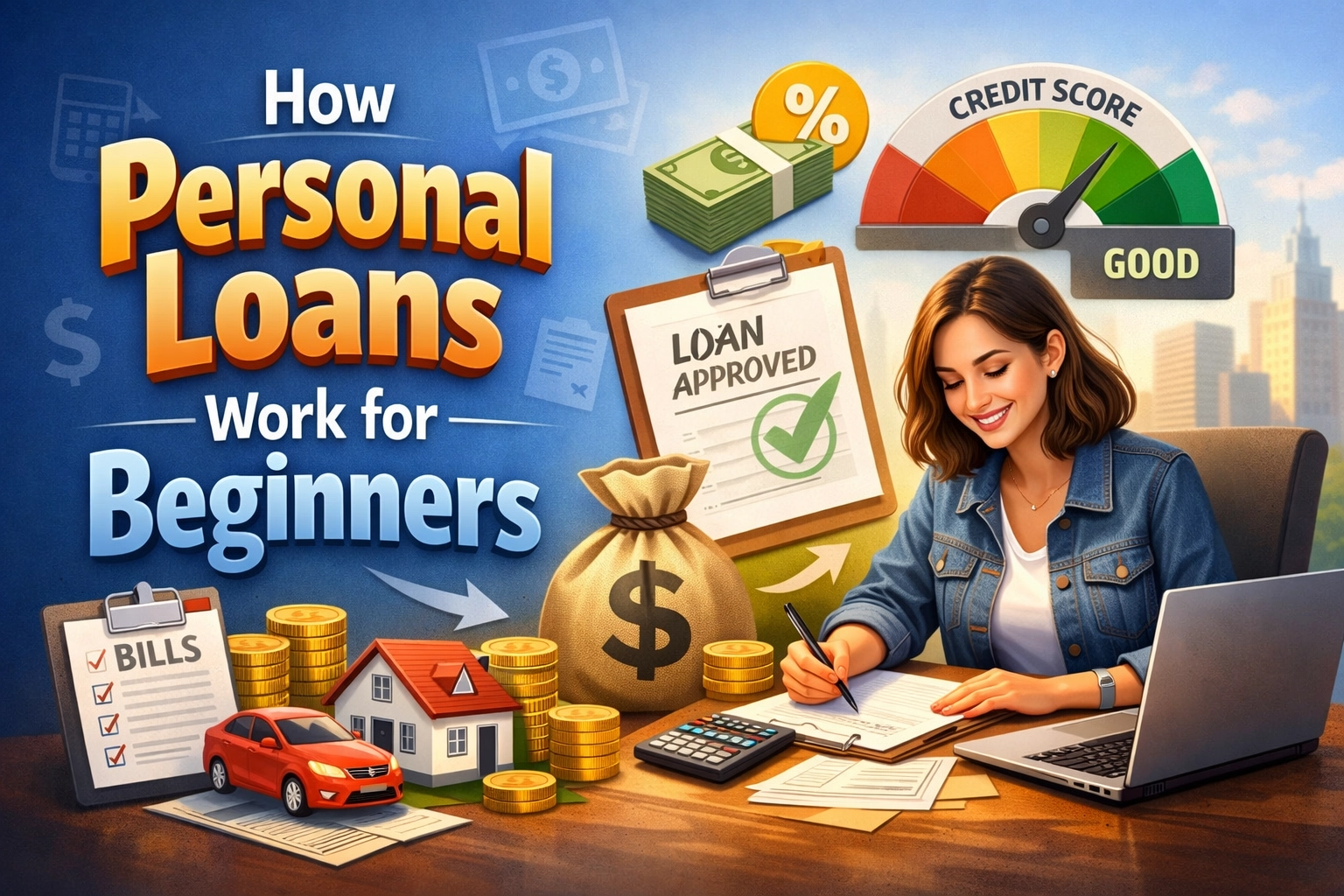
If you’ve ever found yourself needing a chunk of cash to fix a leaky roof, consolidate a bunch of annoying credit card bills, or cover a medical emergency, you’ve probably heard of a personal loan.
But if you’re new to the world of finance, the idea of "taking out a loan" can feel a little intimidating. There are interest rates, credit scores, and terms that sound like they belong in a legal textbook.
The good news? Personal loans are actually one of the simplest financial tools available once you strip away the jargon. In this guide, we’re going to break down exactly how personal loans work, what you need to look out for, and how to decide if getting one is the right move for your wallet.
What Exactly is a Personal Loan?
At its most basic level, a personal loan is a lump sum of money you borrow from a bank, credit union, or online lender. You agree to pay that money back over a set period (the "term") with a little bit of extra money added on top (the "interest").
Unlike a car loan or a mortgage, which are tied to a specific purchase, personal loans are flexible. You can use the money for almost anything.
Most personal loans are unsecured. This is a fancy way of saying you don’t have to put up your house or your car as "collateral." If you don’t pay back a car loan, the bank takes the car. If you don’t pay back an unsecured personal loan, they can’t take your stuff, but they will absolutely tank your credit score and potentially take you to court. Because the lender is taking more of a risk, they’ll look closely at your financial history before saying yes.

The Key Terms You Need to Know
Before we get into the "how-to," let’s clear up the vocabulary. You’ll see these words on every loan application, so it’s best to know them now.
1. Principal
This is the actual amount of money you borrow. If you take out a $10,000 loan, your principal is $10,000.
2. Interest Rate
This is the cost of borrowing the money, expressed as a percentage. This is how the bank makes their profit.
3. APR (Annual Percentage Rate)
This is the most important number to look at. The APR includes the interest rate plus any fees the lender charges. It gives you a much more accurate picture of how much the loan actually costs.
4. The Term
This is the length of time you have to pay the loan back. Most personal loans have terms ranging from 12 months to 7 years (84 months).
5. Fixed vs. Variable Rates
Most personal loans have fixed rates, meaning your interest rate and your monthly payment stay exactly the same for the entire life of the loan. Variable rates can change based on the economy, which means your payment could go up or down. For beginners, fixed rates are almost always the safer bet because they make budgeting easy.
How the Process Works: Step-by-Step
Getting a personal loan isn't like buying a candy bar; there are a few hoops to jump through. Here is the typical journey from "I need money" to "The money is in my bank account."
Step 1: Check Your Credit
Your credit score is the biggest factor in whether you get approved and what interest rate you’ll pay. Generally, a score above 670 is considered "good." If your score is in the 500s, you might still get a loan, but the interest rates will be very high. Check your score first so you know where you stand.
Step 2: Prequalification
Many modern lenders (especially online ones) allow you to "prequalify." You give them some basic info, and they tell you what kind of rate they might give you. The best part? This usually involves a "soft" credit pull, which doesn't hurt your credit score. It’s like window shopping for loans.
Step 3: Comparison Shopping
Don't just go to your local bank and take the first offer. Compare at least three different lenders. Look at the APR, the monthly payment, and the total cost over the life of the loan.

Step 4: The Official Application
Once you find a winner, you’ll submit a formal application. You’ll need to provide:
- Proof of identity (ID or Passport)
- Proof of income (Pay stubs or tax returns)
- Social Security number
- Address history
At this stage, the lender does a "hard" credit pull, which might cause your credit score to dip by a few points temporarily.
Step 5: Approval and Funding
If you’re approved, you’ll sign the loan agreement. The lender then sends the money to your bank account. Some lenders are incredibly fast and can get you the cash within 24 to 48 hours.
Step 6: Repayment
About 30 days after you get the money, your first payment is due. You’ll keep making these monthly payments until the balance hits zero.
What Does a Personal Loan Cost? (The Hidden Fees)
The interest rate isn't the only thing that costs you money. When you’re looking at the fine print, keep an eye out for these:
- Origination Fees: This is a one-time fee the lender takes off the top for processing the loan. It’s usually between 1% and 12% of the loan amount. If you borrow $10,000 and there is a 5% origination fee, you’ll actually only receive $9,500 in your bank account, even though you still owe $10,000.
- Prepayment Penalties: Some lenders don't like it when you pay your loan off early because they miss out on interest. They might charge you a fee for being a "good" borrower. Look for lenders that have no prepayment penalties.
- Late Fees: If you miss a payment, you’ll get hit with a fee, and your credit score will take a massive hit.
Why Should You Get a Personal Loan?
While borrowing money should never be done lightly, there are some very smart reasons to use a personal loan:
1. Debt Consolidation
This is the most common use. If you have four credit cards with 25% interest rates, you can take out one personal loan at 10% interest and use it to pay off all the cards. Now you have one easy payment, and you’re saving a ton of money on interest.
2. Major Life Events
Weddings, moving across the country, or home renovations. If you don't have the cash upfront but have a stable income, a personal loan can help you spread the cost out over a few years.
3. Emergency Expenses
Medical bills or car repairs that can’t wait. A personal loan is almost always cheaper than using a credit card or (heaven forbid) a payday loan.
The Pros and Cons
Like any financial tool, personal loans are a double-edged sword.
The Pros:
- Fixed Payments: You know exactly what you owe every month. No surprises.
- Lower Interest: Usually much cheaper than credit cards if you have decent credit.
- Fast Access: You can get the cash quickly.
- Versatility: You can use it for almost anything.
The Cons:
- Monthly Commitment: You’re locked into a payment for years.
- Fees: Origination fees can be expensive.
- Risk of Overspending: It’s easy to see a "lump sum" in your bank account and spend it on things you don't really need.
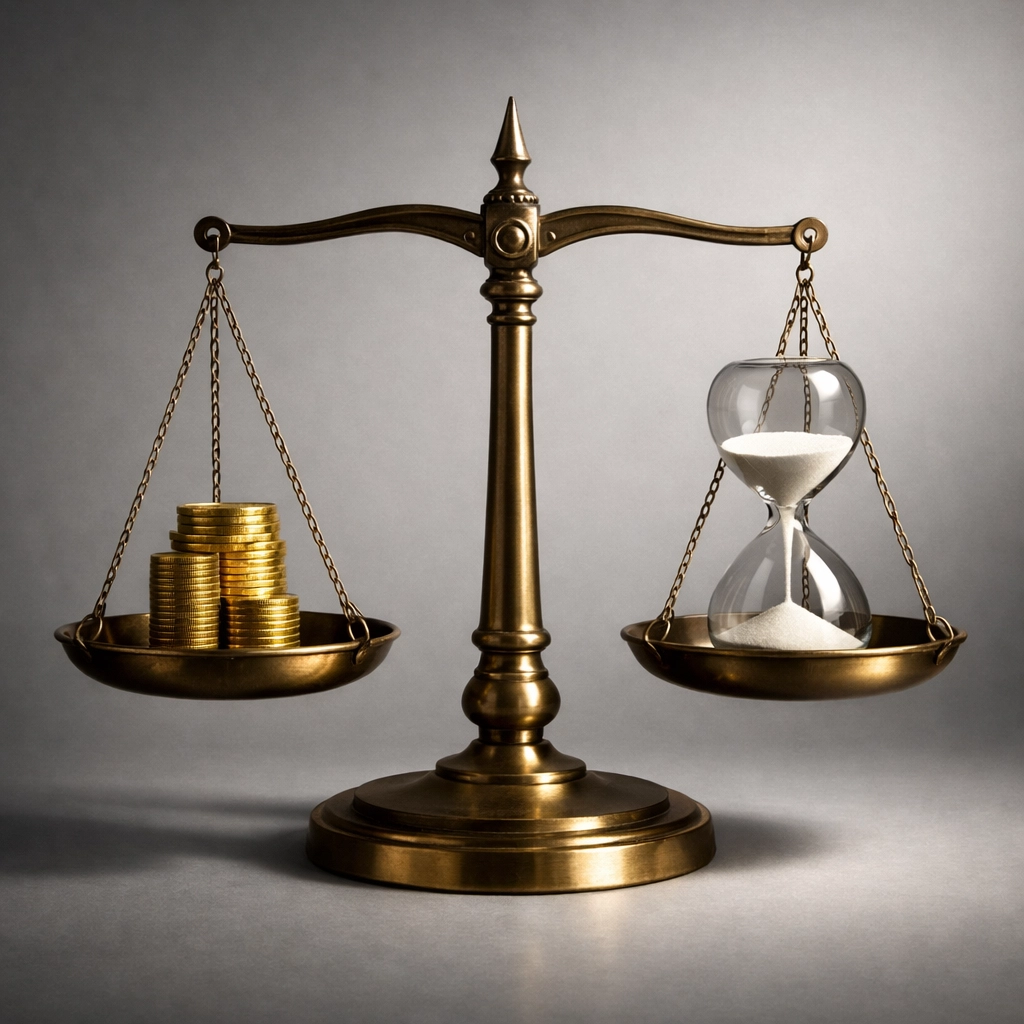
Is a Personal Loan Right for You?
Before you hit "apply," ask yourself these three questions:
- Can I afford the monthly payment? Look at your budget. If adding a $300/month loan payment means you can't buy groceries, don't do it.
- What is the "why"? If you're using the money to pay off high-interest debt, it's a win. If you're using it to go on a luxury vacation you can't afford, it's a trap.
- Have I shopped around? Don't leave money on the table by taking a high interest rate just because it's convenient.
Summary
Personal loans are a fantastic tool for beginners to manage their finances, provided they are used responsibly. They offer a structured, predictable way to borrow money for life’s big moments or to get out from under high-interest credit card debt.
Just remember: only borrow what you need, pay attention to the APR, and always make your payments on time. If you do that, a personal loan can be a major step toward a healthier financial life!
About the Author