
Welcome to 2026! If you’ve been following our blog and YouTube channel lately, you know that the economic landscape is shifting. With interest rates finally cooling down and inflation losing its grip on our wallets, more people are looking to diversify their personal finance portfolios.
One of the biggest questions I get as we move further into this digital decade is: "Malibongwe, how do I actually keep my Bitcoin and Ethereum safe?"
The truth is, 2026 is the year crypto officially went mainstream. It’s no longer just for tech-obsessed teenagers in basements; it’s a legitimate part of a balanced financial plan. But with that mainstream growth comes more sophisticated scammers. If you’re going to invest your hard-earned money into digital assets, you need to treat your security like a fortress.
In this guide, we’re breaking down the best cryptocurrency wallets of 2026. Whether you’re a total beginner or a seasoned whale, these are the tools you need to stay protected.
Why Your Choice of Wallet Matters in 2026
In the old days (like, 2021), most people just left their coins on an exchange. But as we’ve seen over the years, "not your keys, not your coins" isn’t just a catchphrase: it’s a rule to live by.
A crypto wallet doesn't actually "store" your coins. Your coins live on the blockchain. The wallet stores your private keys: the digital "passwords" that allow you to move your money. If someone gets your keys, they get your cash.
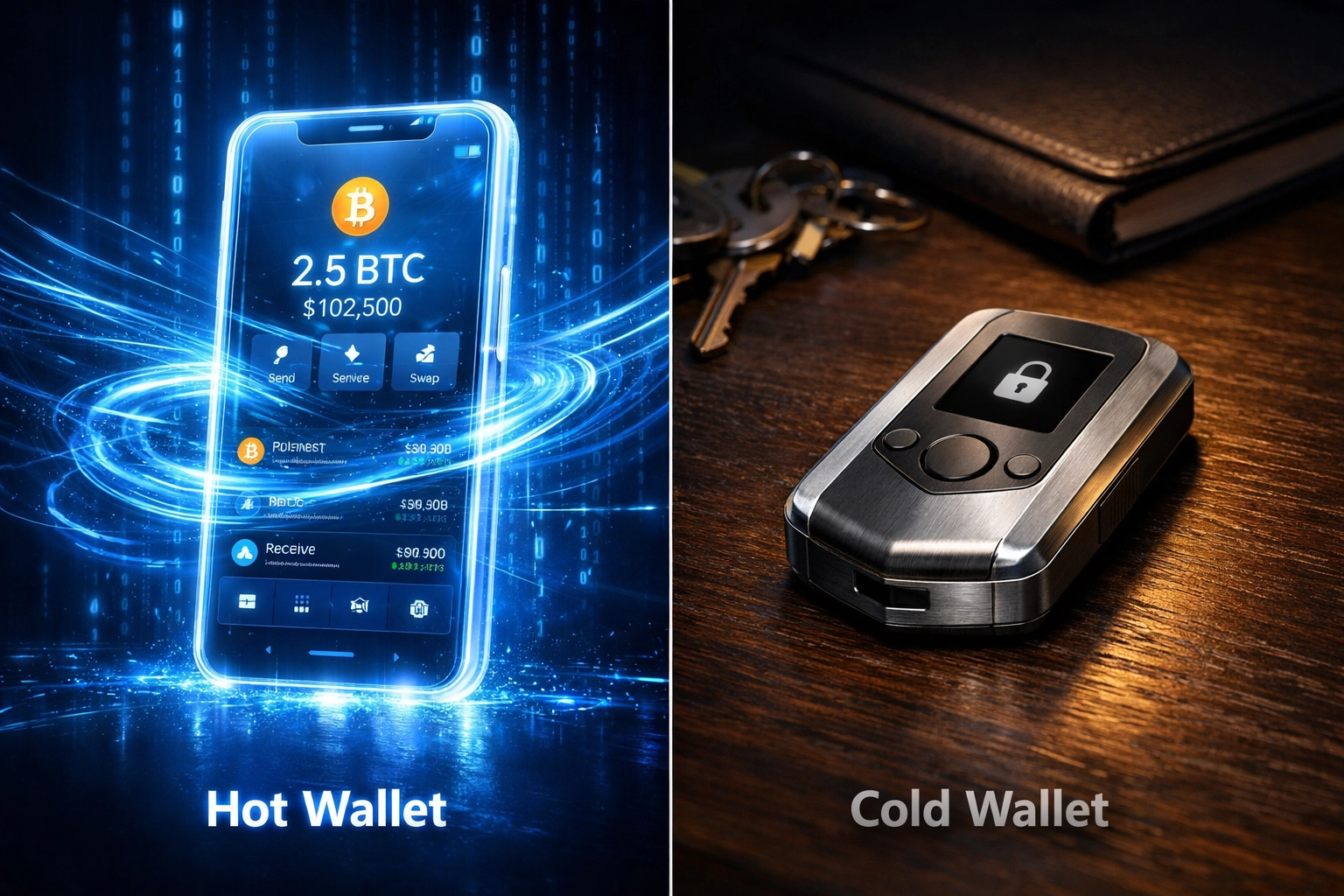
Hot Wallets vs. Cold Wallets: The Basics
Before we dive into the specific brands, let's keep it simple. There are two main types of wallets:
- Hot Wallets (Software): These are connected to the internet. They are super convenient for daily trading or buying NFTs, but because they’re online, they’re more vulnerable to hackers.
- Cold Wallets (Hardware): These are physical devices (like a USB drive) that stay offline. This is the gold standard for security. If you have more than $500 in crypto, you should probably own one of these.
The Best Hardware Wallets (Cold Storage) for Maximum Security
If you are serious about your personal finance goals and long-term wealth, a hardware wallet is a non-negotiable. Here are the top picks for 2026.
1. Ledger Nano X: The All-Rounder
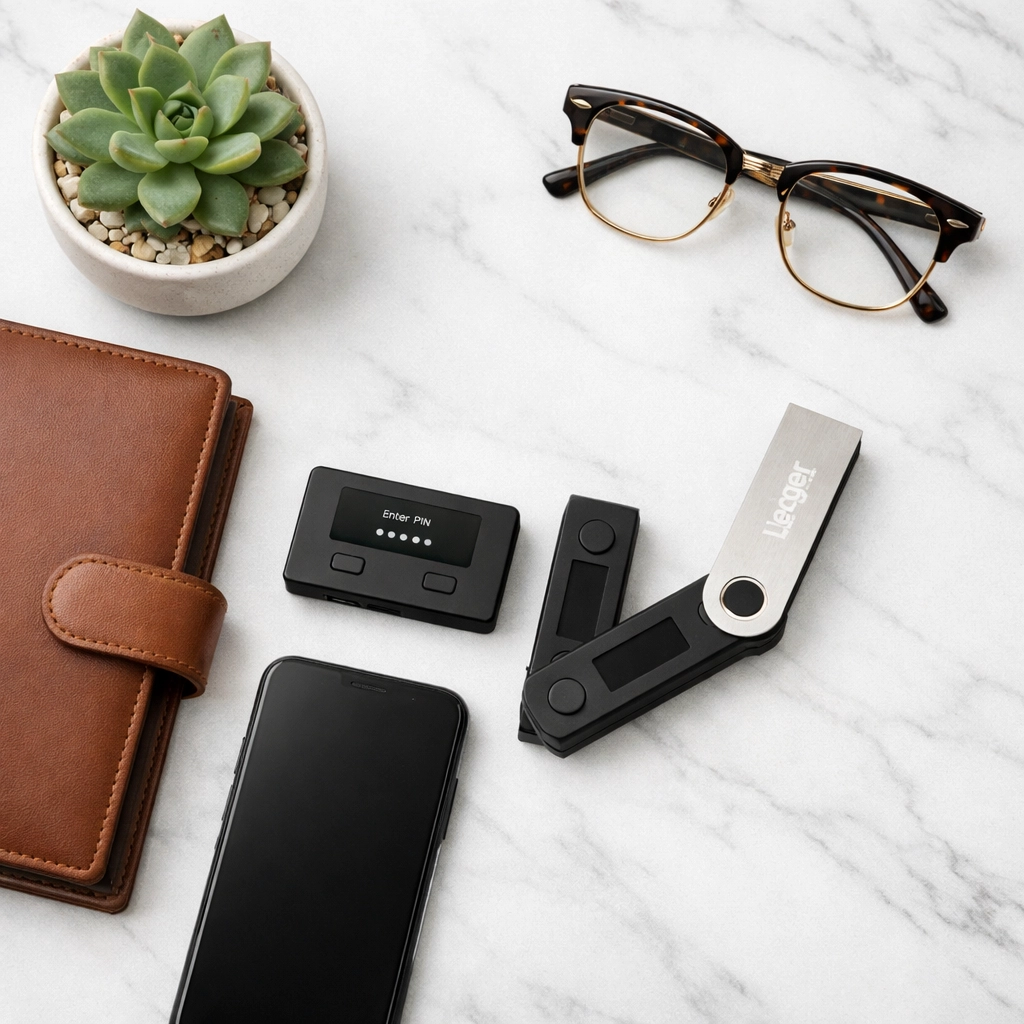
The Ledger Nano X remains the king of the mountain in 2026. It strikes the perfect balance between high-end security and ease of use. It uses a Secure Element chip (the same kind used in passports and credit cards) to keep your keys safe.
- Best For: Most investors.
- Price: Around $149.
- Why we love it: It connects to your phone via Bluetooth, so you can manage your portfolio on the go using the Ledger Live app. It supports over 5,500 different coins, so no matter what weird altcoin you’re buying, the Nano X probably supports it.
2. Trezor Model T: The Transparency King
If you’re someone who values "open-source" tech, the Trezor Model T is your best friend. Unlike Ledger, Trezor’s code is open for anyone to audit. This transparency builds a huge amount of trust in the community.
- Best For: Tech-savvy users and transparency advocates.
- Price: Around $129.
- Key Feature: It has a full-color touchscreen, which makes it much easier to enter your PIN and verify addresses than the tiny buttons on other devices.
3. Trezor Safe 7: The Future-Proof Choice
New for the 2026 market, the Trezor Safe 7 is designed for the "quantum era." As computers get faster, security needs to get stronger. This device uses a specialized TROPIC01 chip and is built to withstand advanced hacking attempts that didn't even exist five years ago.
- Best For: "Set it and forget it" long-term holders.
- Price: $249.
4. Ledger Stax: The Premium Experience
If you want your crypto wallet to look as cool as your iPhone, the Ledger Stax is the one. Designed by the guy who created the original iPod, it features a curved E-ink display that wraps around the side. You can even display your favorite NFT on the lock screen.
- Best For: NFT collectors and those who want a premium feel.
- Price: Around $399.

Best Hot Wallets (Software) for Easy Access
Maybe you aren't ready to drop $150 on a physical device yet, or you just need a wallet for small, everyday transactions. That’s where software wallets come in.
1. Coinbase Wallet: Best for Beginners
Don't confuse this with the Coinbase exchange. The Coinbase Wallet is a "self-custody" app, meaning you control the keys, not the company. It’s incredibly simple to use and feels just like any other banking app.
- Pros: Cloud backup for your recovery phrase (useful if you’re forgetful) and very easy to send money to friends using usernames instead of long, scary wallet addresses.
2. MetaMask: The DeFi Powerhouse
If you’re into Decentralized Finance (DeFi) or staking your coins to earn passive income, MetaMask is the industry standard. It’s a browser extension and a mobile app that connects to almost every crypto website on earth.
- Pros: Supports 17 different networks and has built-in staking rewards.
3. Phoenix Wallet: The Bitcoin Specialist
In 2026, Bitcoin isn't just for holding; it's for spending. Phoenix Wallet is the leader for the "Lightning Network." This allows you to send Bitcoin instantly for basically zero fees. If you want to buy a coffee with BTC, this is the app you use.
Comparison Table: 2026 Wallet Quick-View
| Wallet Name | Type | Best For | Security Level | Price (Approx) |
|---|---|---|---|---|
| Ledger Nano X | Hardware | General Use | High | $149 |
| Trezor Model T | Hardware | Transparency | High | $129 |
| Trezor Safe 7 | Hardware | Future-Proofing | Ultra-High | $249 |
| Coinbase Wallet | Software | Beginners | Moderate | Free |
| MetaMask | Software | DeFi & Staking | Moderate | Free |
| Trezor Model One | Hardware | Budget | High | $49 |
Personal Finance Tips for Crypto in 2026
Choosing a wallet is only half the battle. To truly secure your financial future, you need to follow these "Golden Rules" of crypto safety:
1. Protect Your Recovery Phrase
When you set up any of these wallets, you’ll get a 12 or 24-word "seed phrase." Never take a photo of it. Never put it in a notes app. If your phone gets hacked, your crypto is gone. Write it down on paper or engrave it in metal and hide it in a safe place.
2. Use a "Burner" Wallet
If you're interacting with new, unproven websites or minting cheap NFTs, don't use your main wallet where you keep your life savings. Use a "burner" hot wallet with only a few dollars in it. If the site is a scam, they can only take what’s in that specific wallet.
3. Diversify Your Custody
In the 2026 economic landscape, diversification is key. Don't keep all your eggs in one basket. Keep your long-term Bitcoin on a Trezor Safe 7, your "trading" money on MetaMask, and your "spending" money on Phoenix.
4. Keep an Eye on Fees
With interest rates and inflation stabilizing, every dollar counts. Hardware wallets like the Ledger Nano X allow you to "stake" your coins directly through their app. This means you earn interest on your crypto while it sits safely offline. It’s one of the best ways to build passive wealth in the modern age.
Final Thoughts: Which One Should You Buy?
If you're asking for my honest opinion:
- If you have more than $1,000 in crypto: Buy a Ledger Nano X. The peace of mind is worth every cent.
- If you are a Bitcoin purist: Go with the Trezor Model T.
- If you are just starting with $50: Download the Coinbase Wallet and practice sending small amounts.
The 2026 economy offers so many opportunities for those willing to learn about digital assets. But remember, the most important part of "personal finance" is the personal part. You are your own bank now. That’s a lot of freedom, but it’s also a lot of responsibility.
Stay safe out there, keep those keys private, and let’s make 2026 our most profitable year yet!

Do you have a favorite wallet that didn't make the list? Or are you having trouble setting yours up? Drop a comment below or head over to our YouTube channel for a full video walkthrough of these devices!
About the Author