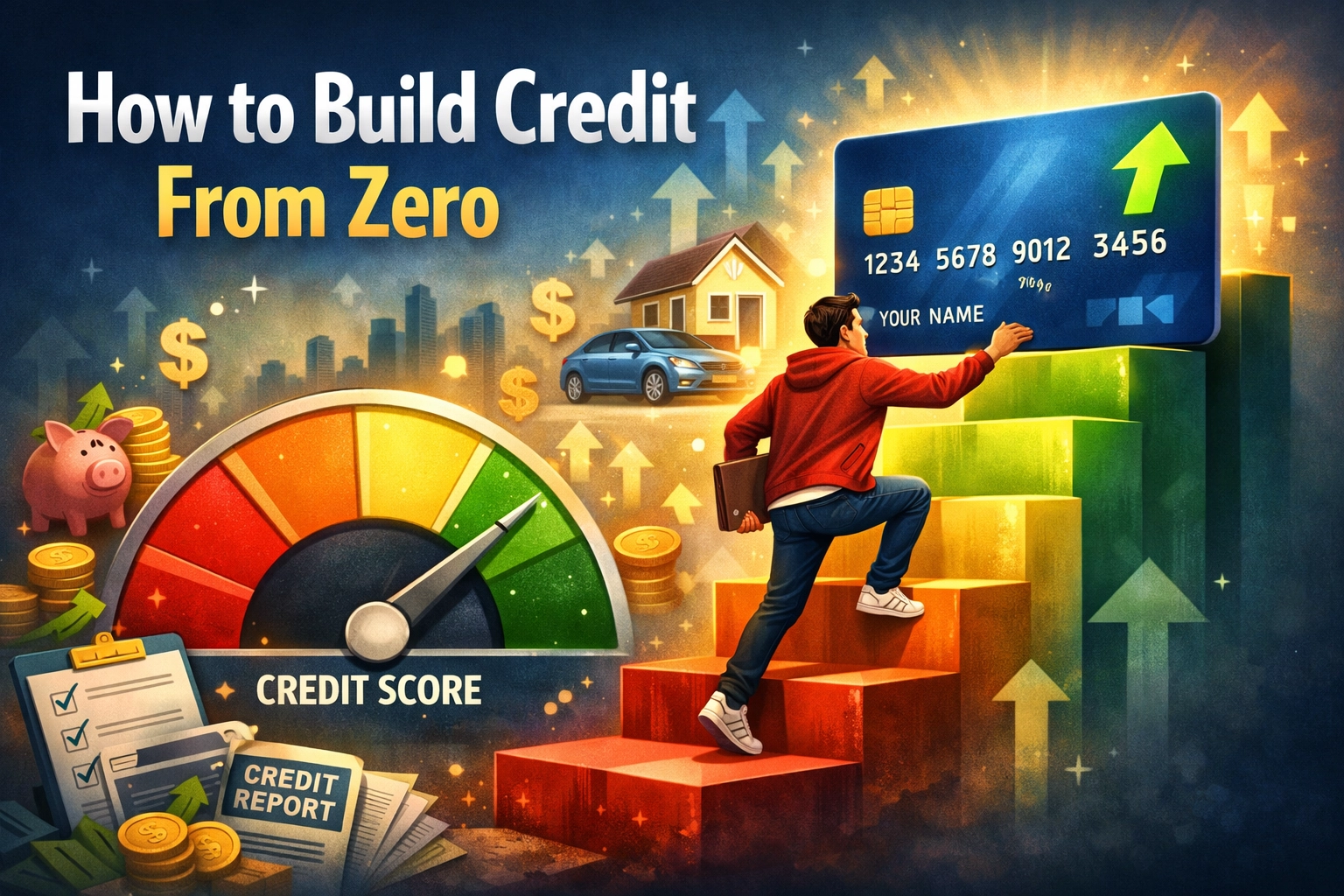
Starting from scratch is hard. Whether you’re a student, a newcomer to the country, or someone who has just preferred cash for the last decade, walking into a bank with "zero credit history" can feel a bit like trying to get an entry-level job that requires five years of experience. How are you supposed to show you're good with credit if nobody will give you any in the first place?
I’m Malibongwe, and I’ve seen this struggle many times. The good news? Building credit from zero is actually easier than fixing "bad" credit. You’re starting with a clean slate. You just need the right roadmap to get that first score on the board.
In this guide, we’re going to break down exactly how to go from a "ghost" in the credit world to someone with a score that lenders actually respect.
Why Credit Matters (Even if You Hate Debt)
Before we dive into the "how," let’s talk about the "why." A lot of people take pride in not owing anyone a cent. That’s a great mindset for staying out of trouble, but the modern world doesn't always reward it.
Even if you plan to buy everything in cash, your credit score affects:
- Your Housing: Most landlords run a credit check before letting you sign a lease.
- Your Job: Some employers (especially in finance or government) check credit as part of a background check.
- Insurance Premiums: In many places, a low credit score means higher car insurance rates.
- Utilities: Without a credit history, utility companies might ask for a massive deposit just to turn on the lights.
So, building credit isn't just about getting a shiny new credit card; it’s about proving you are a reliable adult who keeps their promises.
Strategy 1: The Secured Credit Card (The "Training Wheels")
If you apply for a standard "unsecured" credit card with zero history, you’ll probably get rejected. This is where the Secured Credit Card comes in. It is, hands down, the most reliable way to start.
Here is how it works: You give the bank a deposit (usually $200 to $500). That deposit stays in a locked account. The bank then gives you a credit card with a limit equal to your deposit.
If you put down $300, you have a $300 limit. If you don't pay your bill, the bank keeps your deposit. Because there is zero risk for the bank, they are almost guaranteed to approve you.
The Golden Rules for Secured Cards:
- Check for Reporting: Make sure the bank reports to all three major credit bureaus (Experian, Equifax, and TransUnion). If they don't report, you’re just spending money for no reason.
- Use it for Small Things: Buy a coffee once a month or pay for one streaming subscription.
- Pay it in Full: Always pay the balance off every month. You don't need to pay interest to build credit.

Strategy 2: Become an Authorized User (The "Piggyback" Method)
Do you have a parent, spouse, or very close friend who has a long history of great credit? You can ask them to add you as an "authorized user" on one of their older credit card accounts.
When they add you, their entire history with that specific card is copied and pasted onto your credit report. If they’ve had that card for 10 years and always paid on time, it looks like you have 10 years of perfect history.
The Pros:
- You don’t even have to use the card. They can cut it up as soon as it arrives in the mail.
- It can jumpstart your score by 50 to 100 points in a single month.
The Cons:
- If that person misses a payment or maxes out the card, it hurts your score too.
- You need to trust them as much as they trust you.
Strategy 3: Credit-Builder Loans
Most loans give you the money upfront, and you pay it back over time. A Credit-Builder Loan is the exact opposite.
You "borrow" a small amount (say $1,000), but the bank holds that money in a savings account for you. You make monthly payments for a year. Once the loan is paid off, the bank releases the $1,000 to you.
The bank reports those monthly payments to the credit bureaus. It’s essentially a forced savings plan that builds your credit score simultaneously. This is a fantastic option if you don't want the temptation of a credit card.

Strategy 4: Use Your Rent and Bills
For a long time, the only things that counted toward your credit were debt-related: loans and credit cards. But you’ve been paying rent, your cell phone bill, and Netflix for years. Why shouldn't that count?
Thankfully, the industry is changing. Tools like Experian Boost or rent-reporting services (like RentTrack or RockTheScore) allow you to add these positive payments to your credit report.
- Experian Boost: Connects to your bank account and looks for utility and phone payments. It’s free and can give you an instant bump.
- Rent Reporting: Often costs a small monthly fee, but if you’re paying $1,500 a month in rent, having that show up as a "positive payment" is a massive win for your credit file.
The "Secret Sauce": Understanding the FICO Math
To build credit quickly, you have to know how the "game" is scored. Your FICO score is built on five main pillars:
- Payment History (35%): This is the biggest one. Never, ever be more than 30 days late on a payment. One late payment can tank your score by 100 points.
- Amounts Owed (30%): Also known as "Credit Utilization." If you have a $1,000 limit, don't spend more than $300. Lenders like to see that you have credit available but aren't desperate enough to use it all.
- Length of Credit History (15%): This is why "starting from zero" is slow. You just need time. Don't close your oldest accounts, as they provide the "age" your score needs.
- Credit Mix (10%): Lenders like to see a mix, maybe a credit card and a small loan.
- New Credit (10%): Don't apply for five cards in one week. Each "hard inquiry" (when a lender checks your credit) can temporarily drop your score.

Common Mistakes Beginners Make
When you’re new to the world of credit, it’s easy to trip up. Here are the things I see most often:
- Applying for too much too fast: You get excited and apply for every card in the mail. Stop. Each rejection hurts, and too many applications make you look "credit hungry."
- Thinking "No Debt" means "Good Credit": Having zero debt is great for your peace of mind, but it leaves your credit report empty. You need a little bit of activity to show you're alive.
- Paying just the minimum: If you only pay the minimum on a credit card, you’re losing money to interest. To build credit, you only need to show activity, you don't need to carry a balance.
How Long Does It Actually Take?
You won't have a 750 score by next Tuesday. Generally, it takes about six months of consistent activity to generate your first FICO score.
If you start today with a secured card and a credit-builder loan, by this time next year, you could easily have a score in the "Good" range (700+). From there, you can "graduate" to better credit cards with travel rewards, cash back, and higher limits.

Your 30-Day Action Plan
If you’re ready to stop being a "credit ghost," here is your checklist for the next month:
- Check your reports: Go to AnnualCreditReport.com. Even if you think you have "zero" credit, make sure no one has opened an account in your name by mistake (or via identity theft).
- Open one Secured Card: Put down a $200 deposit. Use it once for a small purchase and set up auto-pay for the full balance.
- Sign up for Experian Boost: It takes 10 minutes and uses the bills you’re already paying.
- Wait: This is the hardest part. Credit is a marathon, not a sprint.
Building credit from zero is a project, but it’s one of the most profitable projects you’ll ever take on. Lower interest rates on a future car or home can save you tens of thousands of dollars over your lifetime.
Stick to the basics: pay on time, keep your balances low, and be patient. You've got this!
About the Author