Let’s be real: your credit score is basically your financial reputation. Whether you’re trying to snag a new apartment, get a better interest rate on a car, or even just sign up for a phone contract without a massive deposit, that three-digit number carries a lot of weight.
In 2026, the world moves fast, and your credit score should keep up. If you’re tired of seeing a "fair" or "poor" rating when you check your banking app, don't panic. You don’t have to wait years for a change. While building a perfect score is a marathon, there are several "sprints" you can take to see a significant bump in as little as 30 to 60 days.
Here are 10 actionable, no-nonsense ways to improve your credit score fast.
1. Pay Down Balances Strategically (The 30% Rule)
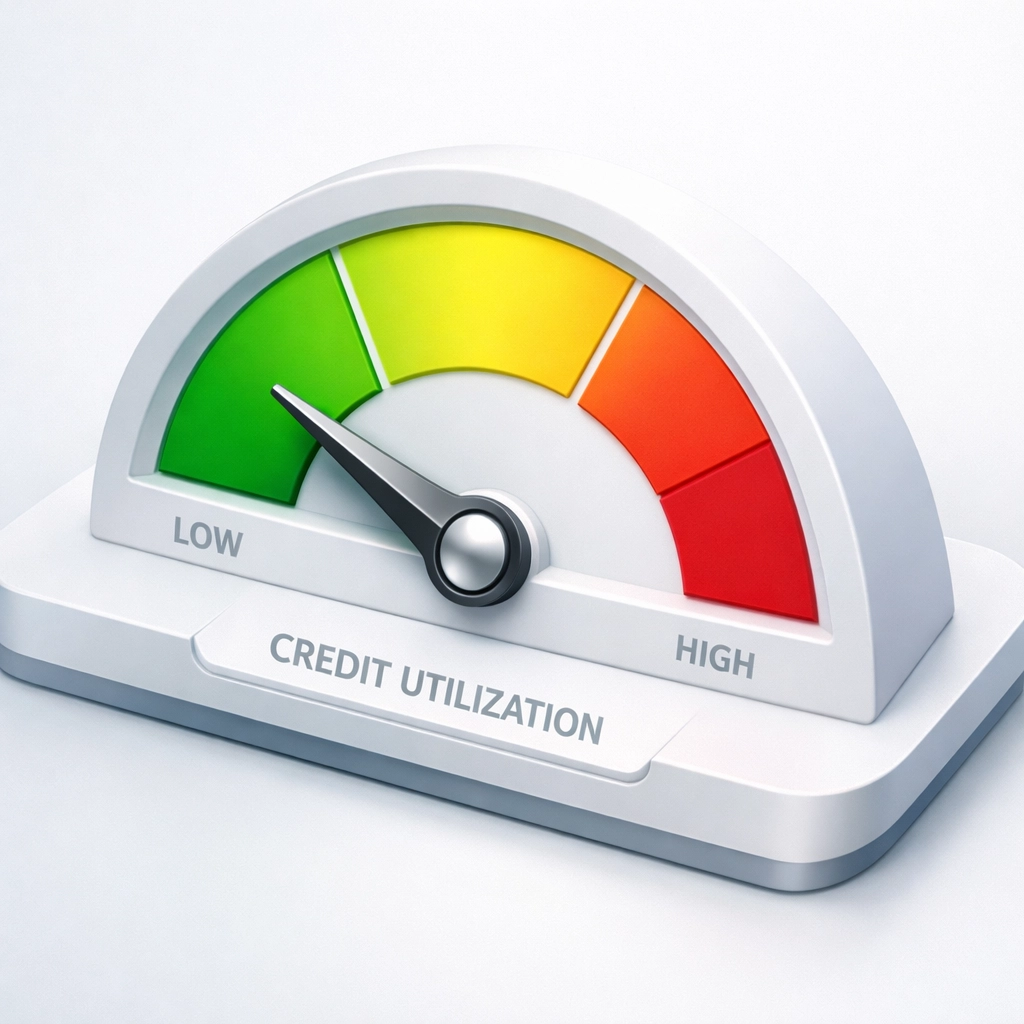
Your credit utilization ratio, the amount of debt you owe compared to your total credit limits, is one of the biggest factors in your score. If you have a credit card with a $1,000 limit and you’ve spent $900, your utilization is 90%. That’s a red flag to lenders.
The fastest way to boost your score is to get that utilization down below 30%. Even better? Aim for under 10%.
The Hack: Pay attention to your "statement closing date," not just the due date. Credit card companies usually report your balance to the bureaus on the closing date. If you pay off your balance before the statement closes, the bureau sees a $0 or very low balance, giving your score an instant lift.
2. Dispute Errors on Your Credit Report
You’d be surprised how many credit reports contain mistakes. It could be a debt you already paid off, an account that isn't yours, or a misspelled name that’s linking you to someone else's bad habits.
Go to AnnualCreditReport.com and pull your reports from the three major bureaus: Equifax, Experian, and TransUnion. Look for:
- Late payments that weren't actually late.
- Accounts you don't recognize.
- Incorrect balances.
If you find an error, dispute it immediately through the bureau’s website. They generally have 30 to 45 days to investigate. If they can’t prove the mark is accurate, they have to remove it. When a negative mark disappears, your score can jump significantly overnight.
3. Ask for a Credit Limit Increase
This is a clever trick that most people overlook. Remember that utilization ratio we talked about? You can improve it in two ways: spending less or having a higher limit.
If your income has gone up recently or you’ve been a loyal customer for a few years, call your credit card issuer and ask for a limit increase.
Pro-tip: Ask them if they can do this without a "hard inquiry" on your credit. If they say yes, it’s a total win. If your limit goes from $2,000 to $4,000 and your spending stays the same, your utilization is cut in half instantly.
4. Become an "Authorized User"
If you have a family member or a very close friend with a stellar credit history and a high-limit card, ask them to add you as an authorized user.
You don’t even need to use the physical card (in fact, they don’t even have to give it to you). Just by being attached to that account, their long history of on-time payments and their high credit limit get added to your credit profile. For people with "thin" credit files or those starting from zero, this is often the fastest way to gain 50 to 100 points.

5. Use Experian Boost for Rent and Utilities
Traditionally, things like your phone bill, Netflix subscription, and utility payments didn't count toward your credit score. That’s changed.
Services like Experian Boost allow you to link your bank account so the credit bureau can see your on-time payments for these everyday bills. The average user sees an immediate increase of about 13 points. It’s free, it’s fast, and it finally gives you credit for the bills you’re already paying anyway.
6. Make "Micropayments" Throughout the Month
Instead of waiting until the end of the month to pay your bill, try making small payments every time you get a paycheck. This is often called "credit card cycling" (but the good kind).
By making multiple payments, you keep your balance low throughout the entire month. If a credit bureau happens to "snapshot" your account mid-month, they’ll see a much lower balance than if you waited until the due date. It’s a simple habit that keeps your utilization in check without much extra effort.

7. Handle Collection Accounts (The "Pay for Delete" Strategy)
If you have an account in collections, it’s a heavy anchor on your score. Even if you pay it off, the "paid collection" mark can still sit there for seven years.
Try this: Contact the collection agency and offer to pay the debt in full (or a settled amount) on the condition that they remove the entry from your credit report entirely. This is called a "Pay for Delete" agreement. Not all agencies will do it, but many will. Get the agreement in writing before you send a single cent. Once that collection mark is deleted, your score will breathe a huge sigh of relief.
8. Don’t Close Old Accounts
When you finally pay off a credit card, you might feel the urge to close it and cut it up. Stop!
Closing an account reduces your total available credit, which hurts your utilization ratio. It also shortens your "average age of accounts." Length of credit history is a major part of the scoring formula. Keep those old accounts open, even if you only use them once every six months to buy a coffee just to keep them active.

9. Diversify Your Credit Mix
Lenders like to see that you can handle different types of debt: not just credit cards. If you only have "revolving" credit (cards), adding an "installment" loan (like a small personal loan or an auto loan) can actually help your score in the long run.
If you don't want to take on new debt, look into a Credit Builder Loan. These are offered by many credit unions and online apps. You "borrow" a small amount that is held in a savings account while you make monthly payments. Those payments are reported to the bureaus, and at the end, you get the money back. It’s basically a forced savings account that builds your credit.
10. Avoid New "Hard" Inquiries
Every time you apply for a new credit card or loan, the lender does a "hard pull" on your credit. This usually knocks a few points off your score and stays on your report for two years.
If you’re trying to boost your score fast, stop applying for things. Each application makes you look "credit hungry" to the algorithms. Wait until your score has improved using the steps above before you go after that premium rewards card or new car loan.

Putting It All Together
Improving your credit score isn't about magic: it's about understanding the rules of the game. Most of the points in your score come from just two things: paying on time and keeping your balances low.
If you spend a Saturday afternoon disputing errors, signing up for a boost service, and calling your bank for a limit increase, you’ve done the heavy lifting. From there, it’s just about consistency.
Check your score again in 30 days. You might be surprised at how much progress you’ve made. Remember, a better credit score doesn't just mean a higher number; it means more money in your pocket through lower interest rates and better financial opportunities. You've got this!
About the Author