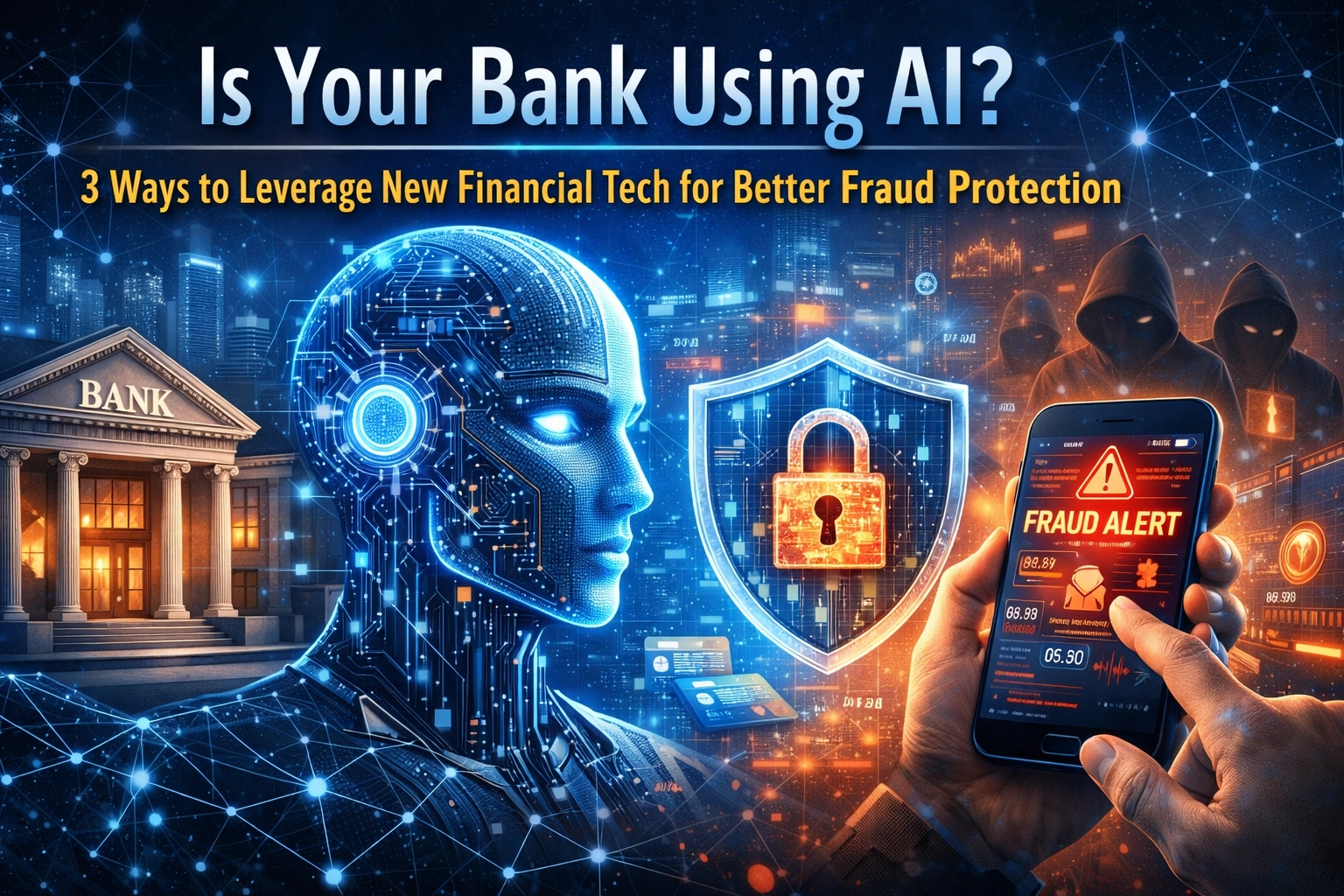
Hey everyone! It’s March 2026, and let’s be real, the way we handle our money has changed faster than a viral TikTok trend. A few years ago, "AI" was just a buzzword we heard in sci-fi movies or saw in clunky chatbots that couldn't actually answer our questions. But today? AI is the silent bodyguard living inside your banking app.
If you’ve logged into your bank account lately, you might have noticed things feel a bit smoother, and maybe a bit "smarter." That’s because, in 2026, banks have officially moved past the experimental phase. They are now using enterprise-grade AI to watch over your hard-earned cash 24/7.
But here’s the thing: while the banks are using this tech, are you using it? Fraudsters are getting smarter too, using their own versions of AI to try and crack into accounts. It’s an arms race, and you need to know how to use the tools available to stay ahead.
In this post, we’re going to look at how banks are using AI right now to keep you safe and, more importantly, give you three actionable ways you can leverage this new tech to protect your own wallet.
How Banking Security Changed (The 2026 Edition)
Remember the "old days" (like, 2022) when you’d get a random text from your bank asking if you just spent $20 at a gas station three towns over? Usually, those systems were based on "static rules." If "Transaction > $100" and "Location = Unknown," then "Block Card."
The problem? Those rules were easy for hackers to guess and annoying for us because they’d block our cards when we were just trying to buy groceries on vacation.
In 2026, we’ve moved to Adaptive Real-Time Fraud Detection. Instead of following a list of "if/then" rules, banks use "Agentic AI." This is a fancy way of saying the AI is like a digital detective that learns your specific habits. It doesn't just look at the dollar amount; it looks at the vibe of the transaction.
Do you usually shop on your phone at 8:00 PM while sitting on your couch? The AI knows that. Suddenly, if a login attempt happens from a desktop in a different country at 3:00 AM, the AI doesn't just wait for a rule to be triggered, it proactively steps in because it recognizes an anomaly in your behavior.
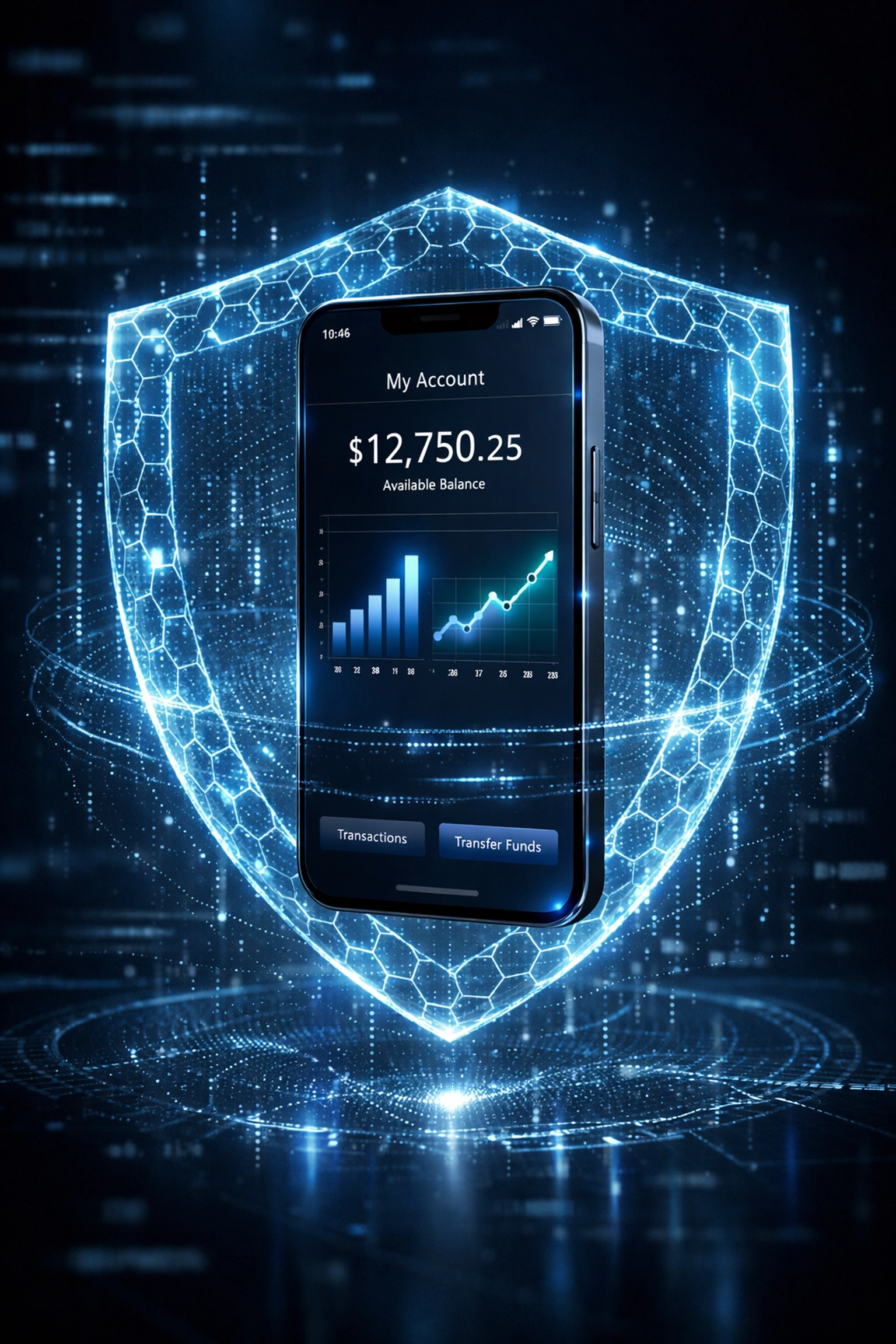
1. Real-Time Monitoring and Autonomous Analysis
The biggest shift we’ve seen this year is that banks aren't just reacting to fraud after it happens; they are predicting it before the money even leaves your account.
Banks now use autonomous transaction analysis to scan millions of data points in milliseconds. This includes:
- Behavioral Biometrics: How you hold your phone, how fast you type, and even the pressure you apply to the screen. If someone else gets hold of your unlocked phone, the AI can actually tell it’s not you based on the way they navigate the app.
- Pattern Spotting: AI can see "mule accounts" (accounts used to move stolen money) and block transfers to them before they are even flagged by humans.
This level of compliance and customer verification (what the pros call KYC or "Know Your Customer") means that your bank is basically a high-tech fortress now. But a fortress is only good if you know how to use the gates.
3 Actionable Tips to Level Up Your Personal Fraud Protection
It’s great that the banks are doing their part, but you shouldn't just sit back and relax. Here is how you can take control of this 2026 tech to make your personal finance game unhackable.
Tip #1: Enable "Intelligent Alerts" and Train Your AI
Most people turn off notifications because they’re annoying. In 2026, that’s a huge mistake. Instead of "standard" notifications, go into your banking app settings and look for Intelligent Alerts or AI Safety Insights.
Instead of just telling you when money is spent, these AI-driven alerts will ping you for things like:
- Subscription Spikes: "Hey, your Netflix bill just doubled. Did you upgrade?"
- New Merchant Risk: "You’re about to pay a vendor that was flagged for suspicious activity yesterday."
Action Step: Go into your app today. Find the security settings and enable "Behavioral Alerts." If the app asks for permission to "Analyze App Usage for Security," say yes. This allows the AI to learn your patterns so it can protect you better. Think of it as "training" your digital bodyguard.
Tip #2: Switch to "Passkeys" and AI-Verified Biometrics
The era of the password is officially dead. If you’re still using "Password123" (or even a "strong" password you change every six months), you’re at risk. Hackers in 2026 use AI-powered brute-force attacks that can crack traditional passwords in seconds.
Most major banks now support Passkeys and Advanced Biometrics. This uses AI to verify your face or fingerprint in a way that can’t be faked by a photo or a "deepfake" video.
Action Step: Disable "Password Login" in your banking app and switch entirely to Biometric Face/Thumbprint ID or a Hardware Security Key. If your bank offers "Voice Verification" for phone calls, set it up. These systems use AI to analyze the unique frequencies of your voice, making it nearly impossible for a scammer to pretend to be you over the phone.
Tip #3: Use "Virtual Disposable Cards" for Every Online Purchase
One of the coolest features of modern AI-driven banking is the ability to generate virtual cards on the fly.
Whenever you shop at a new website or sign up for a "free trial," don't use your main debit card number. Use a virtual card. Many banks now use AI to automatically manage these cards for you. For example, if you use a virtual card for a subscription, the AI can "lock" that card so it only ever pays that specific merchant for that specific amount.
Action Step: Before your next online purchase, check if your bank app has a "Virtual Card" or "Single-Use Card" feature. Use it! If that website ever gets hacked, your actual bank account remains completely hidden and safe. The "disposable" card simply vanishes or becomes useless to the hacker.
Why This Matters for Your Wallet
At the end of the day, personal finance is about more than just investing and budgeting: it’s about retention. There’s no point in saving $500 a month if a fraudster can sweep your account clean in five minutes because you didn't update your security settings.
The AI tech available in 2026 is incredible. It's faster, more accurate, and more proactive than anything we've ever seen. But it works best when you are an active participant. By leaning into these tools: training your alerts, using biometrics, and hiding your real data with virtual cards: you’re putting up a digital shield that most scammers won't even bother trying to crack.
Stay safe out there, and remember: in the world of 2026 finance, the smartest person in the room is usually the one who lets the AI do the heavy lifting for their security.
What do you think? Have you noticed your bank getting "smarter" lately? Drop a comment below and let’s chat about it!
About the Author