The content landscape in 2026 is no longer about who can publish the most; it’s about who can establish the most undeniable authority. With AI-driven search engines and recommendation algorithms prioritizing "Entity-Based Search," your strategy must shift from simple keyword targeting to building a comprehensive digital footprint.
Success this year requires a framework that bridges the gap between deep-form blogging and high-retention video content. This guide breaks down the exact technical framework we use at blog and youtube to dominate search results and build a loyal audience from scratch.
1. Establishing Your Digital Entity (The E-E-A-T Foundation)
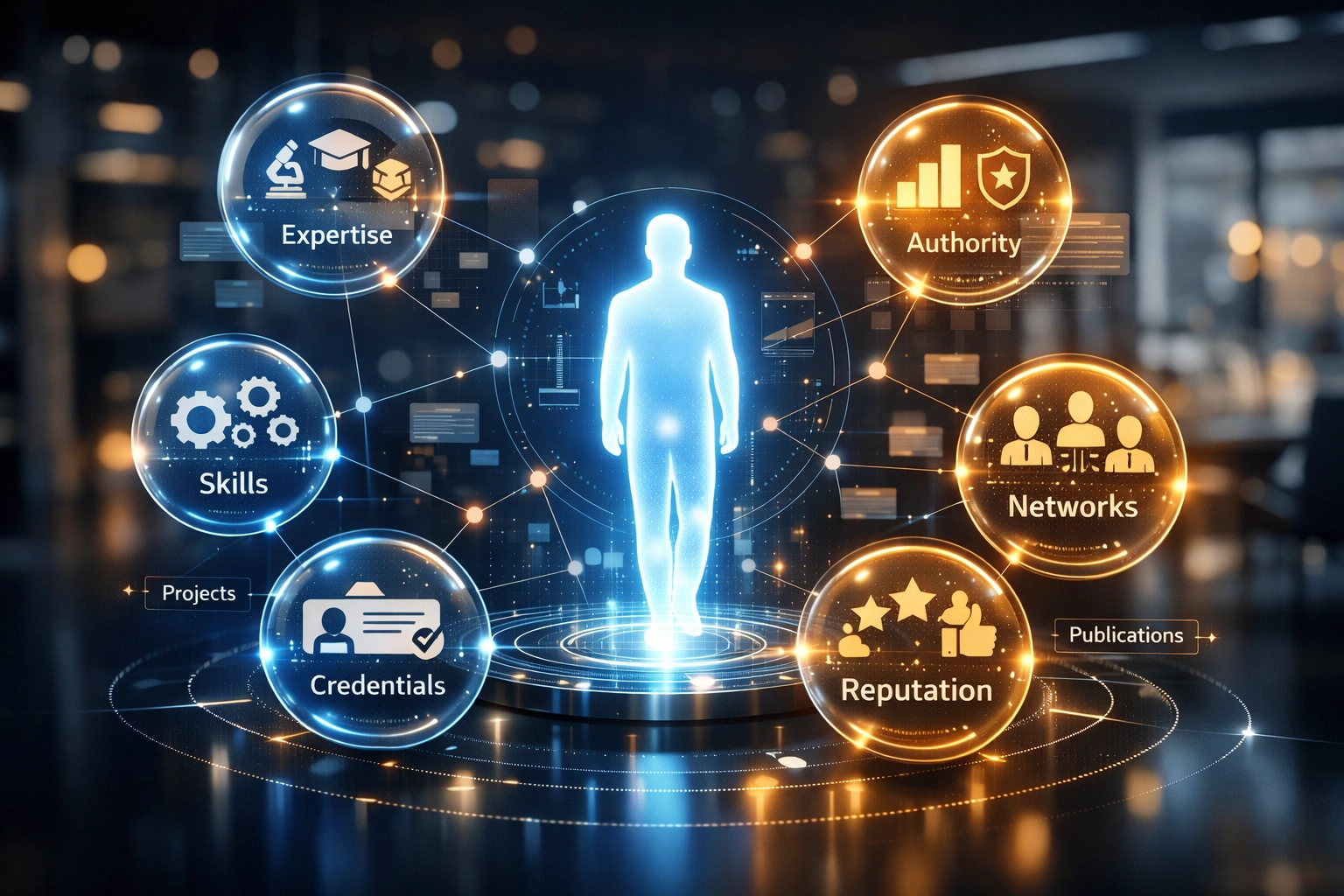
In 2026, Google and the YouTube algorithm don’t just look at your content; they look at who you are. Before you write a single word or record a frame, you need to define your "Entity."
This involves connecting your brand to established datasets. To boost your E-E-A-T (Experience, Expertise, Authoritativeness, and Trustworthiness), ensure your organization is represented on professional networks like LinkedIn, Crunchbase, and even Wikidata. Technical SEO now includes proper Schema Markup (Person or Organization) that explicitly tells search engines: "This author is an expert in this specific niche."
When you're learning how to start a blog, don't just pick a name. Pick a niche where you can verify your background. If you’re writing about financial affiliate marketing, your digital footprint should reflect a history in finance or successful entrepreneurship.
2. The Pillar-Cluster Architecture for 2026
The "Shotgun Approach": writing random posts and hoping they rank: is officially dead. To gain topical authority, you must implement the Pillar-Cluster model.
The Pillar Page
A pillar page is a comprehensive, 3,000+ word resource that covers a broad topic in depth. For example, if your pillar is "Content Creation Strategy," this page serves as the ultimate hub. It should be technically optimized with a table of contents, high-quality images, and interactive elements.
The Content Clusters
Surrounding this pillar are 10–15 "cluster" articles. These focus on long-tail keywords like "vlogging tips for beginners" or "best blogging platforms for 2026." Each cluster article must link back to the pillar page using descriptive anchor text. This tells search engines that your pillar page is the authoritative source on the subject.
The YouTube Connection
Every pillar should have a corresponding "Masterclass" video on YouTube. By embedding your video into your blog post and linking your blog post in the video description, you create a "Closed-Loop Authority" that benefits both the Google and YouTube algorithms.
3. YouTube Algorithm Secrets: Beyond the Click-Through Rate
By 2026, the YouTube algorithm has evolved far beyond simple CTR (Click-Through Rate) and AVD (Average View Duration). The system now prioritizes Engagement Density and Session Start Value.
- Engagement Density: This measures how frequently users interact with your video (likes, comments, timestamps, shares) relative to the video length. To optimize this, use "Pattern Interrupts" every 45–60 seconds to keep the viewer’s brain engaged.
- Session Start Value: YouTube rewards creators who bring users to the platform. If your blog post or newsletter sends 500 people to a YouTube video, and those people stay on YouTube for another hour, your video’s "authority score" skyrockets.
For vlogging tips for beginners, stop focusing on the camera gear. Focus on the storytelling arc. Start with a "High-Stakes Hook" that promises a specific transformation, then use the "Middle-Muddle" to provide technical value, and end with a "bridge" to your next video to keep the session going.
4. The 90-Day Execution Framework
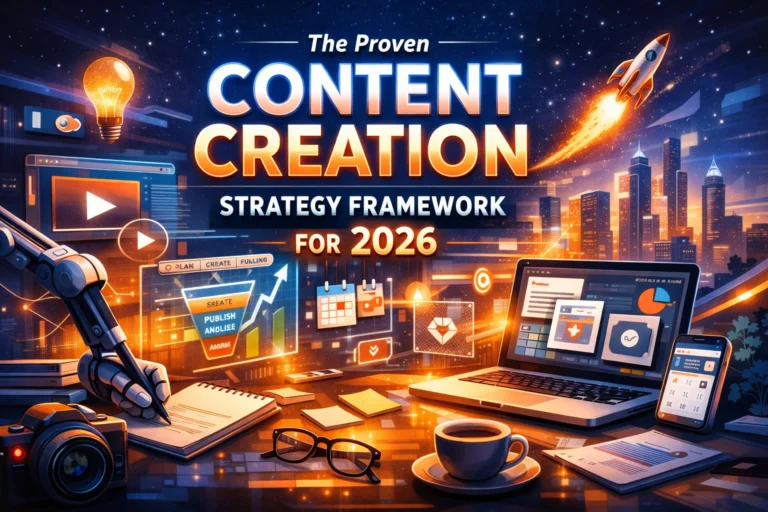
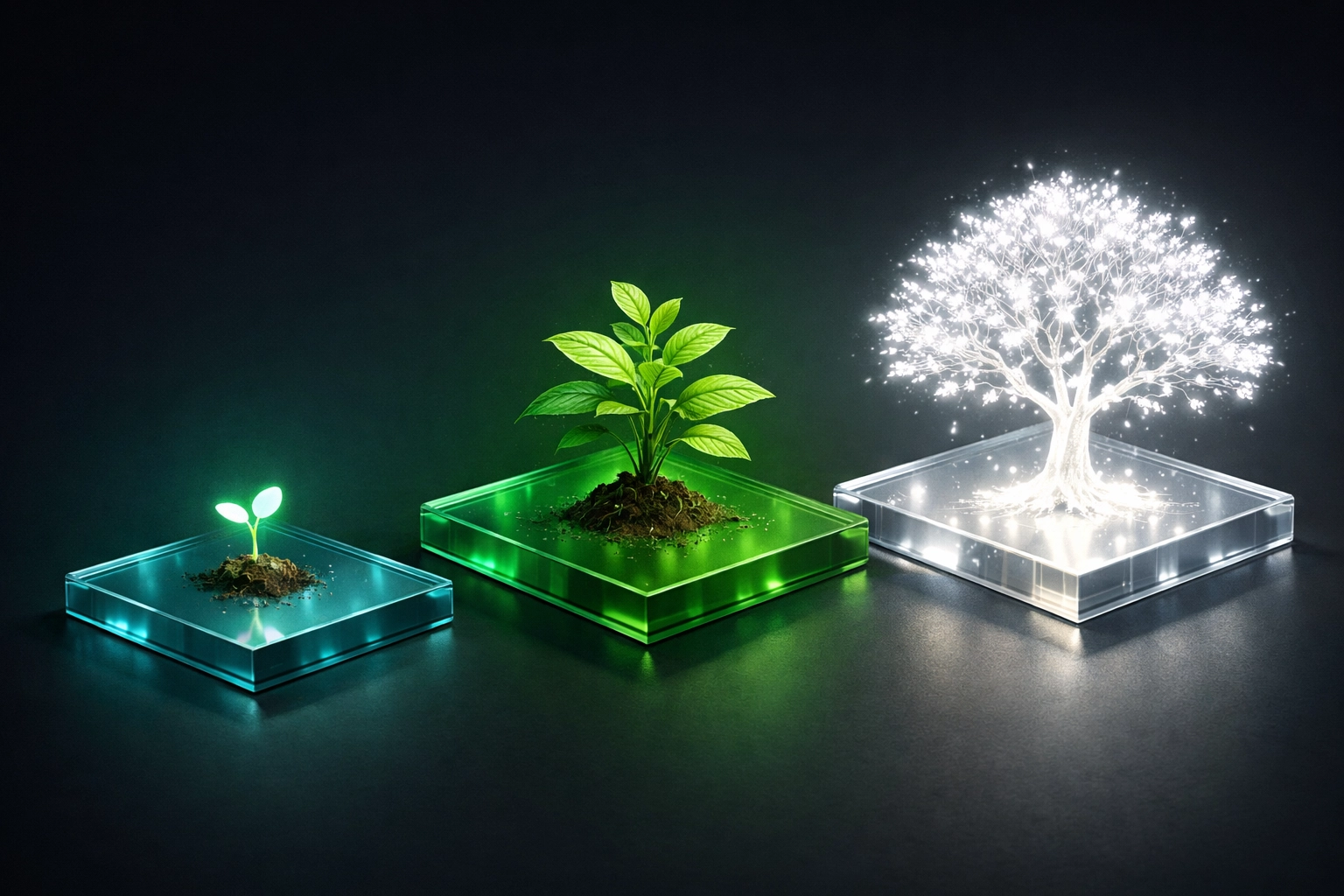
Consistency is often misunderstood. It doesn't mean "every day"; it means "predictably." We recommend a 90-day cycle divided into three distinct phases:
Phase 1: The Launch & Data Phase (Month 1)
Focus on publishing your core pillars. If you are blogging for beginners, this is when you set up your technical infrastructure: hosting, SSL, and your first 5 foundational posts. Use this month to establish your "baseline" data in Search Console and YouTube Analytics.
Phase 2: The Cluster Expansion (Month 2)
Produce 8–12 cluster articles and 4–8 supporting videos. This is where you target specific, low-competition keywords to start driving organic traffic. This is also the time to begin integrating affiliate marketing for bloggers by reviewing tools or services that fit naturally within your niche.
Phase 3: The Optimization & Scale (Month 3)
Look at your data. Which posts are on Page 2 of Google? Update them with more depth, better images, or a fresh video embed. Which videos have a high drop-off rate? Cut the fluff in your next batch. This is where you move from "creating" to "engineering" growth.
5. Monetization Strategy: Diversifying for 2026
Relying solely on ad revenue (like AdSense) is a risky move. A robust content creation strategy must include multiple revenue streams from day one.
- High-Ticket Affiliate Marketing: Instead of promoting $10 items, focus on software-as-a-service (SaaS) or professional tools that offer recurring commissions. When you monetize your blog, aim for products with a high "Life-Time Value" (LTV).
- Digital Products: Use your blog to build an email list (your only owned asset). Sell templates, checklists, or "Mini-Courses" that solve a specific problem identified in your cluster articles.
- Brand Partnerships: In 2026, brands look for "Micro-Authorities." You don't need a million followers; you need 5,000 highly engaged readers who trust your technical recommendations on the best blogging platforms.
6. Technical Checklist for 2026 Performance
To ensure your strategy isn't held back by technical debt, audit these four areas quarterly:
- Core Web Vitals: Google’s "Interaction to Next Paint" (INP) is now a major ranking factor. Ensure your site loads and responds instantly.
- Semantic HTML: Use H1-H4 tags correctly. Don't just make text bold; use the proper tags so AI scrapers and search engines understand your hierarchy.
- Video Schema: Use
VideoObjectschema on your blog to help your videos appear in Google "Video" search results. - Internal Link Health: Use tools to find orphaned pages (pages with no internal links). Every page on your site should be reachable within three clicks from the homepage.

Summary of the 2026 Framework
Building a successful blog and YouTube channel isn't about luck; it's about building a machine. By focusing on your digital entity, using a pillar-cluster model, and understanding the nuances of engagement density, you can outpace competitors who are still using 2022 tactics.
Remember, the goal is to provide so much value that your audience (and the algorithms) view you as the definitive source in your niche.
About the Author: Malibongwe Gcwabaza
CEO of blog and youtube
Malibongwe Gcwabaza is a veteran digital strategist and the CEO of blog and youtube. With over a decade of experience in SEO, video marketing, and digital entrepreneurship, Malibongwe specializes in helping creators turn technical content into sustainable, high-revenue businesses. He is a frequent speaker on the intersection of AI and content authority, and his frameworks have been used by thousands of bloggers to scale their reach in an increasingly competitive digital world. Under his leadership, blog and youtube has become a leading resource for data-driven vlogging and blogging strategies.
About the Author