
Let’s be honest: the word "budgeting" usually sounds about as fun as a trip to the dentist. Most of us want to save more money, but the idea of cutting out everything we enjoy makes us want to close our banking apps and never look back.
But here’s the secret: saving money isn't about living a life of total deprivation. It’s about being intentional with where your hard-earned cash goes so you can afford the things that actually matter. Whether you're trying to build an emergency fund, pay off debt, or just stop wondering where your money went at the end of the month, these 20 practical tips will help you keep more cash in your pocket.
1. Establish "No Spend" Days
Think of a "no spend" day as a digital detox for your wallet. Pick two or three days a week where you commit to spending zero dollars. That means no morning coffee runs, no "quick" stops at the gas station for a snack, and definitely no late-night online shopping. By forcing yourself to stay home and use what you already have, you break the habit of impulsive spending.
2. Master the Art of Home-Brewed Coffee
We’ve all heard it before, but the math doesn't lie. If you’re spending $5 a day on a latte, that’s roughly $150 a month or $1,800 a year. You don't have to give up caffeine: just change the source. Investing in a decent coffee maker or a French press pays for itself in less than a month. Plus, you can make it exactly how you like it without the barista misspelling your name.
3. The Power of Cold, Hard Cash
In a world of "tap to pay" and digital wallets, money can feel invisible. It’s too easy to lose track of spending when it’s just a click. Try withdrawing a set amount of cash for your weekly "fun" spending (groceries, dining out, entertainment). When the cash is gone, it’s gone. Studies consistently show that humans feel more "pain" when handing over physical bills than when swiping a card, which naturally leads to spending less.
4. Never Shop While Hungry
This is a classic for a reason. When your stomach is growling, everything in the grocery store looks like a must-have. You’ll end up with a cart full of snacks and pre-made meals that cost twice as much as raw ingredients. Eat a light meal or a snack before you head out to ensure your brain: not your stomach: is making the purchasing decisions.
5. Limit Your Grocery Trips
The more times you walk into a store, the more opportunities you have to buy things you didn't need. Try to limit yourself to one big grocery run per week. If you find yourself running to the store every two days for "just one thing," you’re likely walking out with five things.

6. Meal Plan Like a Pro
If you don't have a plan for dinner, you’re much more likely to order takeout. Spend 20 minutes every Sunday planning your meals for the week based on what’s already in your pantry. Not only does this reduce food waste, but it also takes the stress out of your evenings. When the plan is already made, "What's for dinner?" is no longer an expensive question.
7. Stick to the List
Once you’ve planned your meals, write down exactly what you need and stick to it. Grocery stores are designed to lure you into impulse buys with end-cap displays and "limited time" offers. If it’s not on the list, it doesn't go in the cart. This simple discipline can save you $20–$50 per trip.
8. Shop the Season
Buying strawberries in the middle of winter is a recipe for a high grocery bill. Instead, look for produce that is currently in season. It’s fresher, tastes better, and is significantly cheaper because the supply is high. This also applies to clothing and household goods: buy your winter coat in April and your patio furniture in September to catch those end-of-season clearance sales.
9. Become a Coupon Ninja
You don’t need to spend hours cutting paper coupons anymore. Most grocery stores have apps with digital coupons that you can load directly onto your loyalty card. Before you checkout, take two minutes to scroll through and "clip" the items you’re already buying. It’s free money.
10. Buy in Bulk (Wisely)
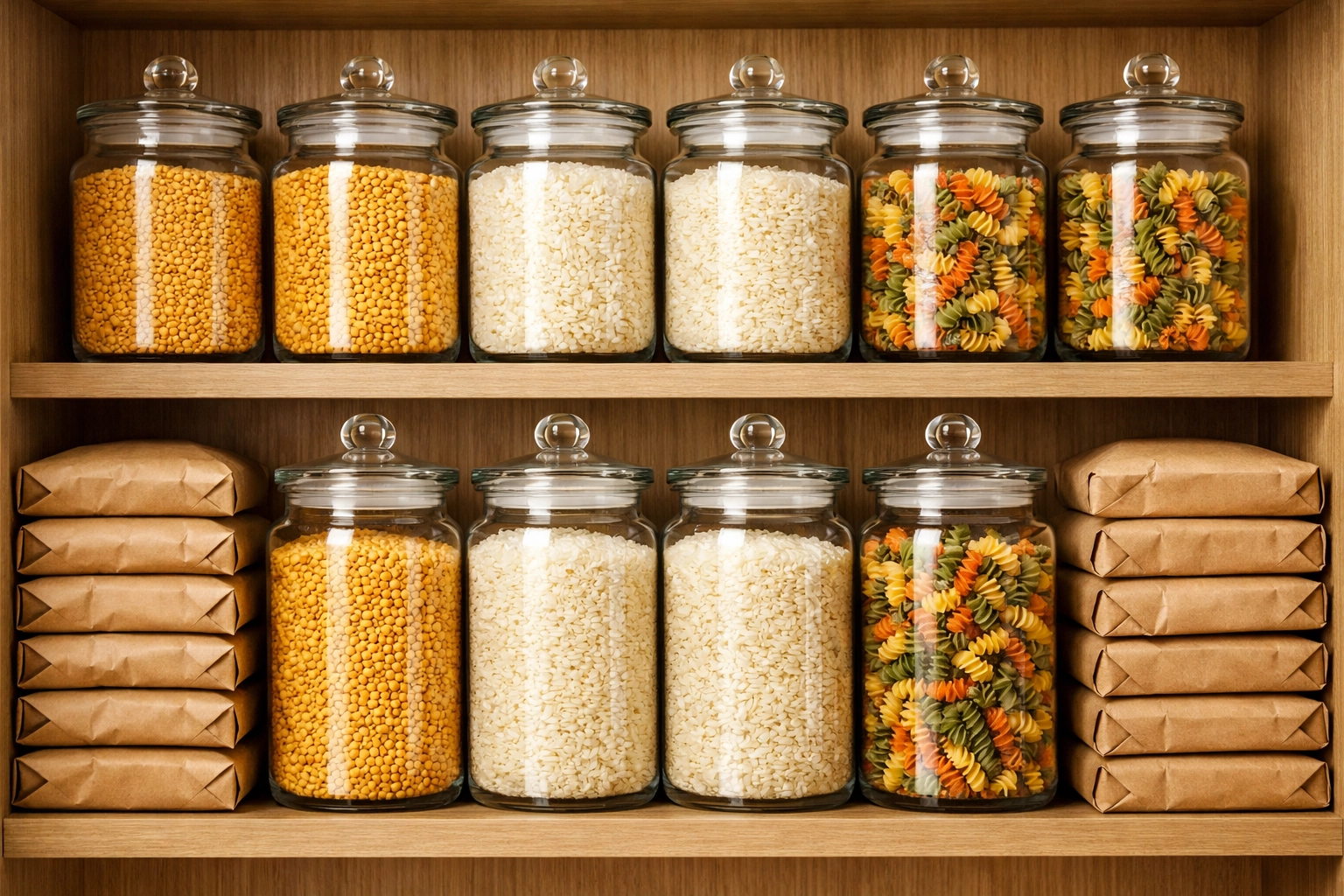
For items you use constantly: like toilet paper, laundry detergent, or rice: buying in bulk is almost always cheaper per unit. However, be careful not to buy bulk "perishables" unless you have a plan to use them. Saving 20% on a massive jar of pickles isn't a win if you throw half of it away.
11. Automate Your Savings
If you wait until the end of the month to see what’s left over to save, the answer will probably be "nothing." Treat your savings like a bill that must be paid. Set up an automatic transfer from your checking account to your savings account on the day you get paid. If you never see the money in your spending account, you won’t miss it.
12. Use the 50-30-20 Rule
If you’re not sure how much you should be saving, this is a great framework.
- 50% of your income goes to Needs (rent, utilities, groceries).
- 30% goes to Wants (dining out, Netflix, hobbies).
- 20% goes to Savings and Debt Repayment.
This keeps your lifestyle in check while ensuring your future self is taken care of.
13. Pay Yourself First
This goes hand-in-hand with automation. Before you pay the landlord, the electric company, or the credit card bill, put a set amount into your savings. This mindset shift ensures that your financial goals are the top priority, not an afterthought.
14. Separate Your Accounts
If your savings are sitting in the same account you use to buy groceries, it’s too tempting to "borrow" a little bit for a weekend trip. Open a separate savings account: ideally at a different bank: to create a psychological barrier. Out of sight, out of mind.
15. Track Every Single Penny
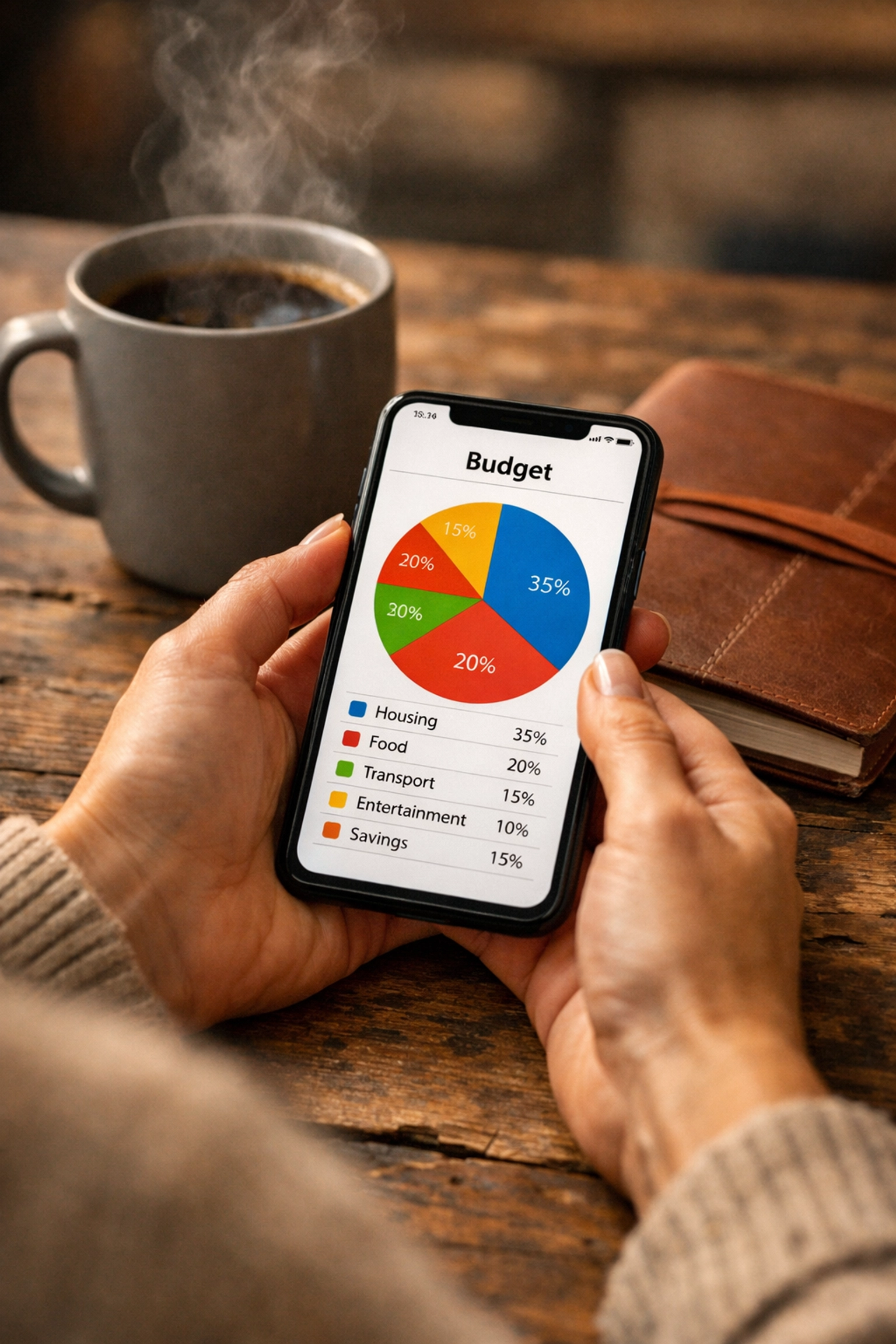
You can't fix what you don't measure. For one month, track every single expense, from your rent to the $2 you dropped in a tip jar. Whether you use a fancy app or a simple notebook, seeing exactly where your money goes is often the "wake-up call" needed to change your habits.
16. The Debt Snowball Method
High-interest debt is a massive drain on your monthly budget. To get rid of it, list your debts from smallest balance to largest. Pay the minimum on everything except the smallest debt: attack that one with everything you've got. Once it's gone, take that entire payment and add it to the next smallest debt. This builds momentum and gives you quick wins to keep you motivated.
17. Prioritize High-Interest Debt
While the snowball method is great for psychology, the "avalanche" method (paying the highest interest rate first) saves you the most money in the long run. If you have a credit card charging 24% interest, that is a financial emergency. Focus your extra cash there to stop the bleeding.
18. Invest in Self-Care
This might sound like an expense, but it’s actually a long-term saving strategy. Regular exercise, eating whole foods, and getting enough sleep keep you healthy. Preventive care is infinitely cheaper than emergency room visits, chronic illness medications, and lost wages due to sick days. Taking care of your body is one of the best financial investments you can make.
19. The 1% Rule
If saving 20% of your income feels impossible right now, don't give up. Start by saving just 1%. Most people won't even notice a 1% difference in their paycheck. Next month, move it to 2%. Gradually increasing your savings rate allows your lifestyle to adjust slowly without the shock of a sudden budget cut.

20. Set a Crystal Clear Goal
Saving "just because" is hard. Saving for a $2,000 emergency fund so you never have to worry about a flat tire again is motivating. Whether it’s a down payment on a house, a dream vacation, or being debt-free, give your money a mission. When you’re tempted to spend impulsively, ask yourself: "Do I want this shirt more than I want that house?" Usually, the goal wins.
Final Thoughts
Saving money isn't a sprint; it's a marathon. You don't have to do all 20 of these things today. Pick two or three that feel doable and start there. Once those become habits, come back and add a few more. Small, consistent changes are what lead to big bank accounts. You’ve got this!
About the Author